Colorado Speed Cameras: Safety Tool or Revenue Engine?
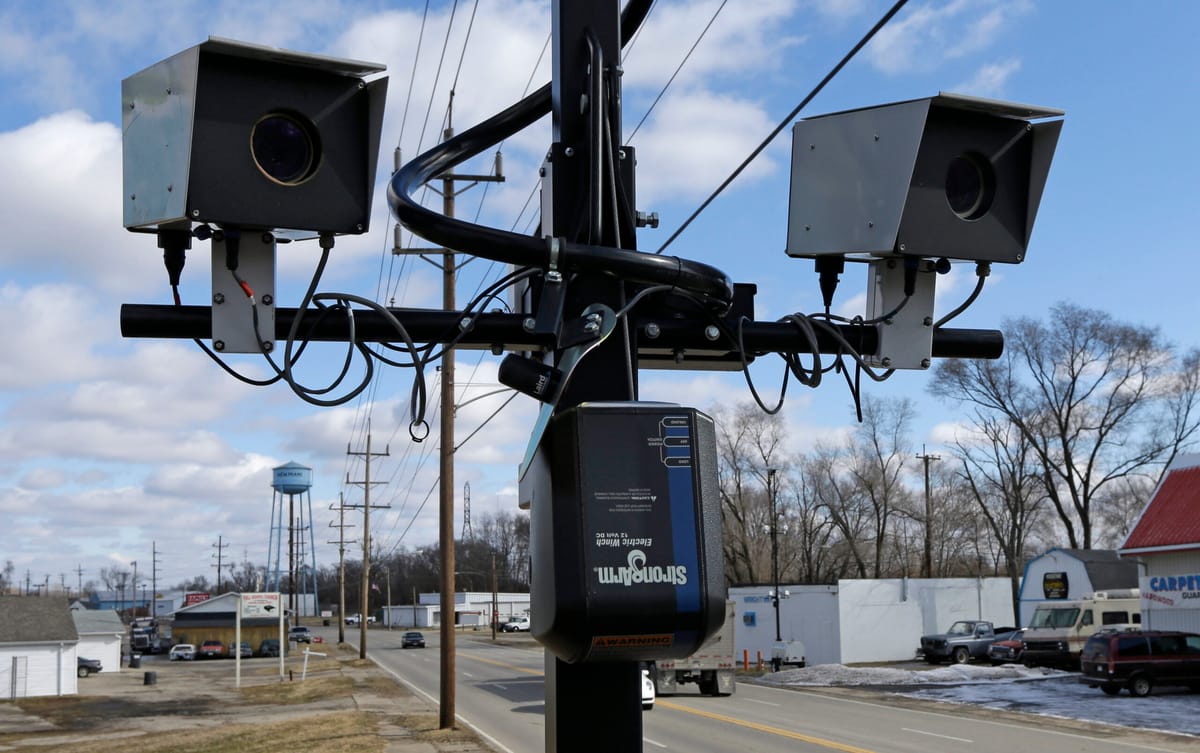

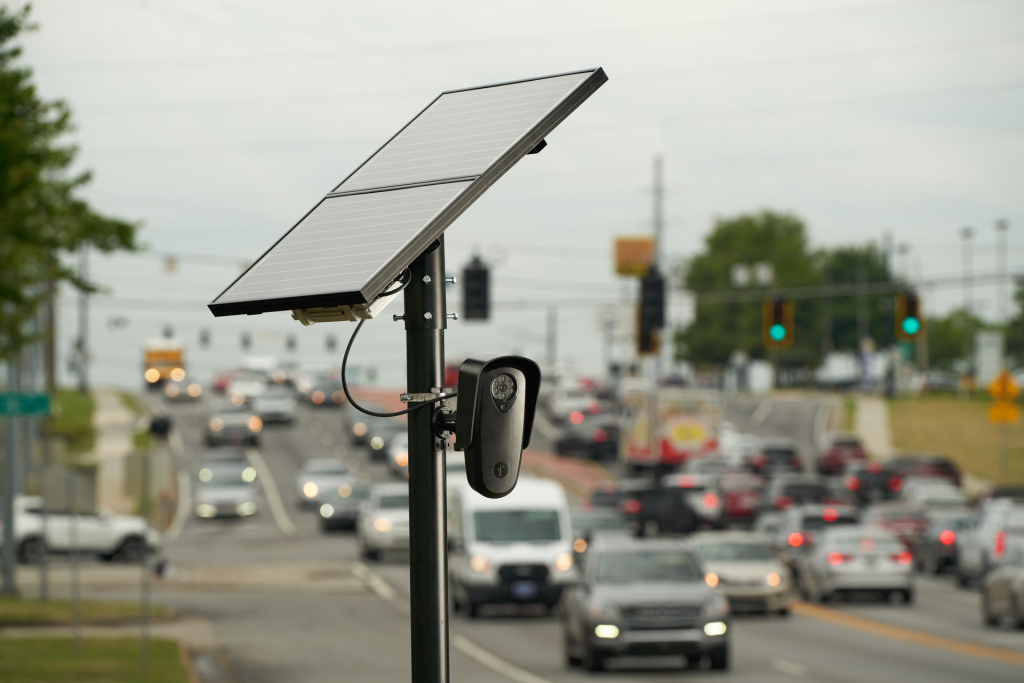
Colorado officials say speed cameras on Highway 119 are about safety. But the numbers suggest something else: this may be a growing revenue engine wrapped in a safety message.
Since January, nearly 10,000 speeding tickets have been issued between Longmont and Boulder in the Highway 119 work zone. At $75 per ticket, that’s already generated more than $700,000. CDOT says that total does not include the 30,000+ warnings issued last year when cameras first went live.
Now the program is expanding. CDOT says revenue from Highway 119 citations is funding camera enforcement in additional work zones, including I-25 between Mead and Berthoud, where warnings are active and citations begin April 1.
Supporters argue speed reductions are real and worker safety matters. Fair point. But a fair question remains: if this is primarily about saving lives, why prioritize static cameras over visible patrols that can intervene in real time?
A patrol car can do what a camera cannot: stop reckless behavior immediately, detect impairment, respond to active hazards, and provide a direct deterrent presence throughout a corridor. Cameras, by design, document violations and mail penalties later.
Longmont is also adding four new red-light cameras at high-crash intersections, including Ken Pratt and Main Street, with citations expected after warning periods end.
If public safety is truly the core mission, enforcement strategy should focus on preventing harm first — not scaling systems that depend on citation volume to fund expansion.