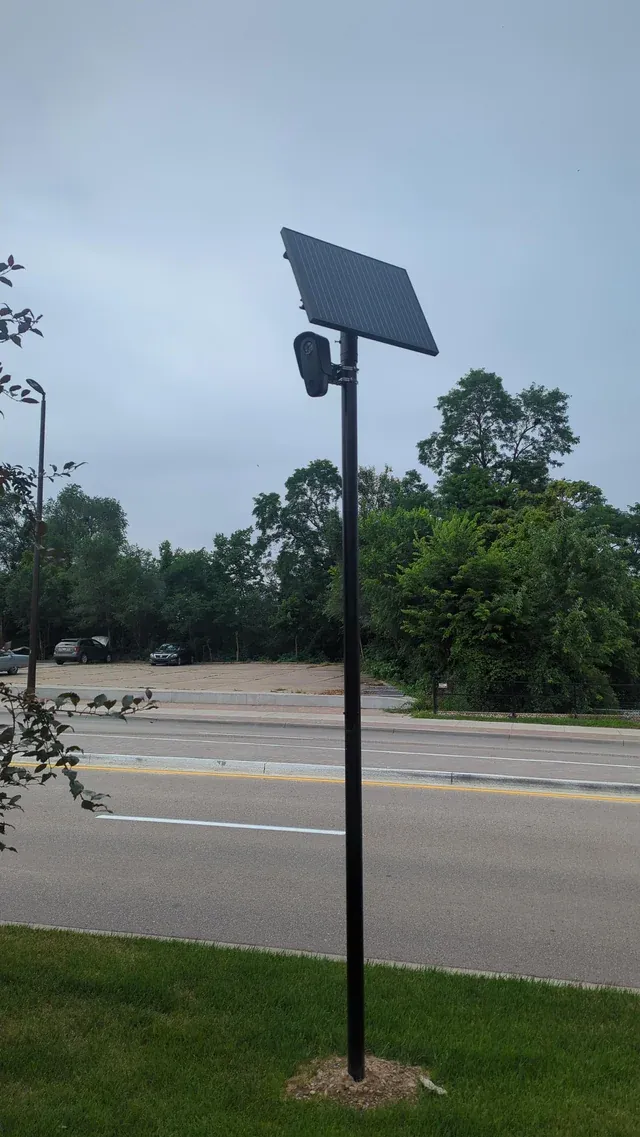
Flock Camera Security Claims Raise National Questions About Public-Safety IoT
Security researchers’ claims about Flock camera vulnerabilities are driving legal, regulatory, and engineering questions about surveillance IoT deployed in public space.
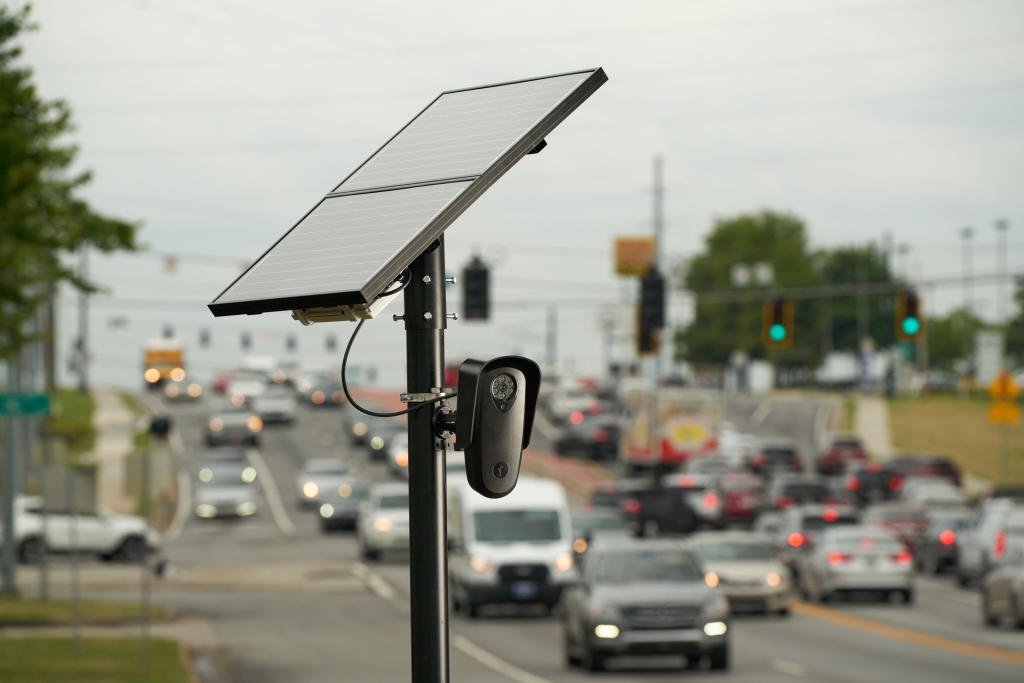
New technical claims from independent security researchers are intensifying scrutiny of Flock Safety’s camera platform, with potential consequences for law enforcement operations, criminal evidence challenges, and federal regulation of surveillance-grade IoT.
Researchers allege they were able to compromise certain Flock camera hardware in under 30 seconds in a November 2025 demonstration by triggering a button sequence, connecting to an unauthenticated hotspot, and using Android Debug Bridge workflows to gain elevated access. If those findings are validated broadly, critics say the issue goes beyond one exploit and points to architectural risk in publicly deployed camera systems.
The stakes are high: Flock’s network is used by thousands of agencies and processes large-scale vehicle-image data. Senators Ron Wyden and Raja Krishnamoorthi have called for FTC scrutiny after reports that stolen credentials tied to Flock-linked systems were being traded in cybercrime channels.
The Core Dispute: Is “Physical Access Required” a Real Security Control?
Flock has argued that meaningful exploitation requires physical access and hardware familiarity. Researchers counter that this is not a meaningful barrier for devices mounted on public poles and traffic corridors. In public infrastructure, they argue, physical proximity should be treated as an assumed threat condition, not a rare edge case.
Seven Alleged Security Failure Areas
Researchers and watchdog reports have pointed to multiple concerns, including:
- Legacy operating system exposure and patch lifecycle questions
- Hardcoded or weak wireless trust assumptions
- Credential handling and plaintext transmission risk claims
- Accessible physical/debug interfaces
- Local data protection and encryption-at-rest concerns
- Historically non-mandatory MFA for some customer cohorts
- Cellular interception risk scenarios tied to tower trust models
Together, critics describe these as compounding failures rather than isolated defects.
Lessons: The IoT Security Checklist
Flock’s alleged failures provide a practical checklist of IoT security mistakes developers should treat as non-negotiable red flags.
- Operating System
❌ Android Things 8 (discontinued in 2021, no ongoing patch path)
✅ Current LTS platform with multi-year security support (modern Android LTS or hardened Linux) - Credential Management
❌ Hardcoded Wi‑Fi identifiers and cleartext credential exposure risk
✅ Unique per-device credentials, TLS 1.3+, cert pinning, and secret rotation - Data Protection
❌ Unencrypted local storage and over-collection risk
✅ Full-disk encryption with device-unique keys, strict minimization, enforced deletion windows - Access Controls
❌ Optional MFA on sensitive accounts
✅ Mandatory phishing-resistant MFA (FIDO2/WebAuthn), anomaly detection, and login geofencing - Physical Security Model
❌ Exposed debug/USB paths and “physical access required” as a defense
✅ Tamper-evident hardware, debug disabled in production, and architecture that assumes physical compromise - Update Lifecycle
❌ Static firmware posture with unclear remediation cadence
✅ Signed OTA updates, rapid patch SLAs, rollback protection, and vulnerability disclosure workflow
Why This Matters Beyond One Vendor
Even if some claims are narrowed by future testing, the larger lesson remains: public-sector IoT systems cannot rely on optional controls, outdated software components, or security-by-obscurity arguments. Courts, city councils, regulators, and procurement teams are now likely to demand stronger technical attestations before renewal or expansion.
For device makers in surveillance and public-safety markets, the correction is clear: if hardware is deployed in public space, design for physical compromise from day one.