NASA-DARPA Nuclear Rocket Program: Delayed, Not Dead
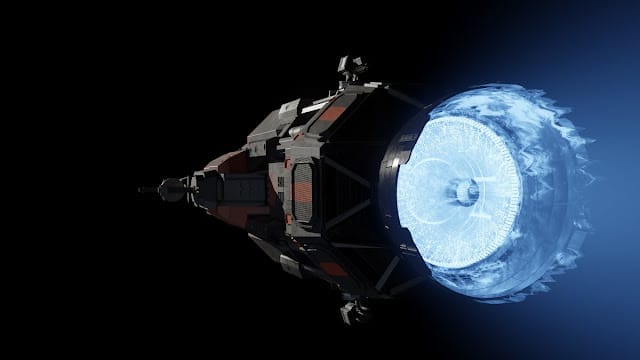
NASA and DARPA once set an ambitious target: demonstrate a nuclear-powered rocket in orbit and open a faster path to Mars. Under the DRACO program (Demonstration Rocket for Agile Cislunar Operations), Lockheed Martin was selected to build the vehicle and BWX Technologies to develop the reactor, with an initial demonstration goal around 2027.
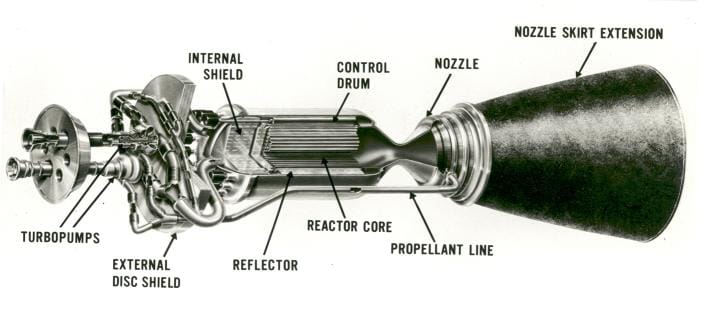
At the center was nuclear thermal propulsion (NTP). Instead of relying only on chemical combustion, an onboard reactor heats liquid hydrogen and expels it for thrust. The potential payoff was major: higher efficiency than traditional chemical propulsion, reduced propellant mass, and faster deep-space transit profiles.
Why It Mattered
For Mars-class missions, time in transit is risk. Longer flight duration increases exposure to radiation, life-support burden, and mission complexity. A propulsion system that materially shortens transit could improve crew safety margins and overall mission design flexibility.
That made DRACO a strategic bridge between legacy propulsion and sustained deep-space logistics.
What Changed
By 2025, DRACO was canceled after changing cost assumptions, infrastructure hurdles, and evolving launch economics altered the program’s return-on-investment equation. Public reporting and U.S. budget language also pointed to a broader reassessment of propulsion priorities, including more attention to nuclear electric pathways and nearer-term alternatives.
So the headline is not that space nuclear propulsion is gone. The better read: the original flagship demo path stalled, while the long-term propulsion race continues under a different strategy mix.
Stocks Linked to the Theme (Not Financial Advice)
- LMT — Lockheed Martin
- BWXT — BWX Technologies
- LHX — L3Harris Technologies
- NOC — Northrop Grumman
- RTX — RTX Corp
- LEU — Centrus Energy
- RKLB — Rocket Lab