Trump Vows to Strike Iranian Warships Approaching US Blockade

Published: April 13, 2026 | 6:00 PM EDT
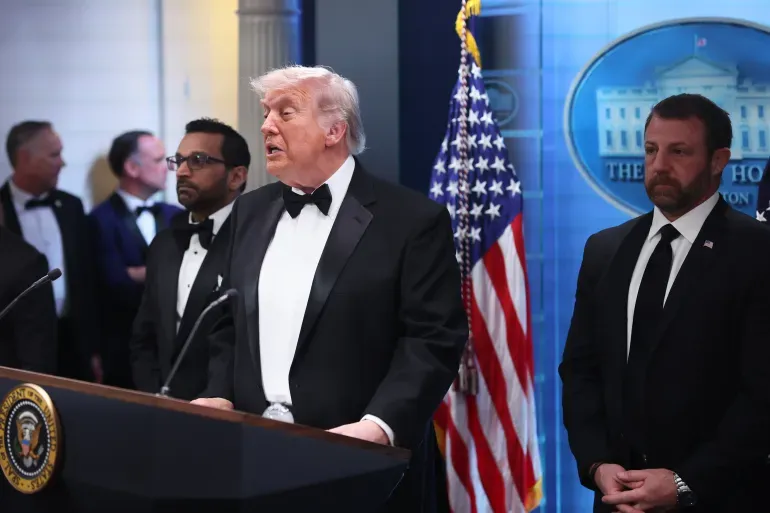
President Donald Trump has vowed to destroy any Iranian fast attack ships that approach the U.S. naval blockade of Iranian ports, escalating tensions in the Persian Gulf as the blockade went into effect Monday morning. Oil prices surged above $100 per barrel on concerns about potential disruptions to global energy supplies.
The blockade began at 10 a.m. EDT, affecting all vessels entering or departing Iranian ports in the Arabian Gulf and Gulf of Oman. U.S. Central Command says it will be enforced impartially against vessels of all nations, though ships transiting to non-Iranian ports will still be allowed through the Strait of Hormuz.
Iranian military officials called the blockade "piracy" and threatened retaliation against Gulf neighbors' ports. The Revolutionary Guard stated the strait remains under Iran's control and open only for non-military vessels following specific regulations.
For investors, sustained oil prices above $100/barrel would benefit energy exploration and production companies while creating headwinds for airlines, refiners, and transportation stocks facing higher fuel costs. Defense contractors including Lockheed Martin, Raytheon, and Northrop Grumman could see increased demand if tensions escalate further. Maritime insurance rates are expected to rise sharply.
The U.S. dollar rallied against major currencies as investors sought haven assets, with the dollar index gaining 0.5% in early trading. Persistent high oil prices could complicate the Federal Reserve's inflation management efforts.
The announcement followed failed peace talks in Islamabad between U.S. and Iranian officials that ended Saturday without agreement. Vice President JD Vance led the U.S. negotiating team. Key disagreements included Iran's nuclear program, uranium enrichment activities, support for regional proxy groups, and control of the Strait of Hormuz transit fees.
The Strait of Hormuz handles approximately 20% of global oil and natural gas supplies. The current ceasefire agreement expires April 22.
Investors should monitor oil price trajectories, any direct naval confrontations between U.S. and Iranian forces, international reactions from major oil importers, and U.S. mine-clearing operations in the strait.
Sources: USA TODAY, BBC News, U.S. Central Command, Reuters This story is developing.