
Fusion Is Becoming Investable: Trump Media’s $6B TAE Deal Signals a New Capital Phase
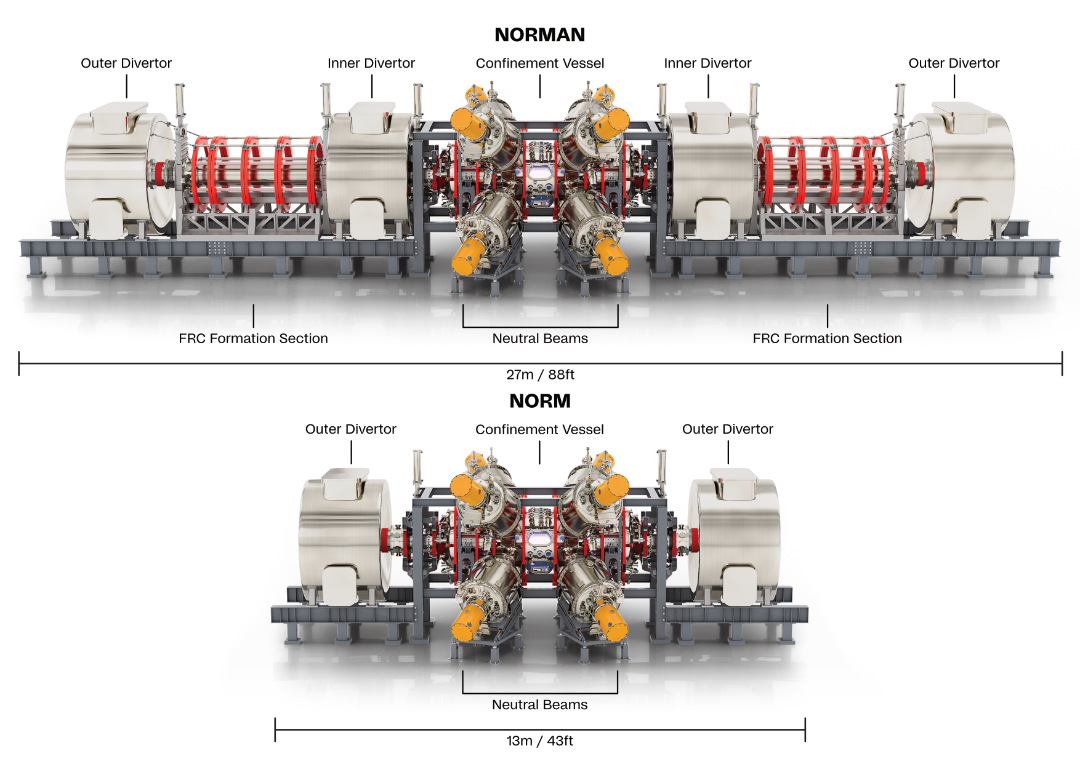
Trump Media & Technology Group (NYSE: DJT) is making a high-conviction move into advanced energy, agreeing to merge with California-based TAE Technologies in a reported $6 billion all-stock transaction. If completed, the deal would create one of the first major publicly traded fusion-focused companies in U.S. markets.
Why this matters to investors
Fusion has long been treated as “always 20 years away.” That narrative is changing. The DJT-TAE transaction reflects a broader shift: fusion is moving from a deep-tech science project into an institutional capital formation story.
- TAE has already raised $1.3B+ from strategic and financial backers, including Google, Chevron Technology Ventures, Goldman Sachs, and Sumitomo.
- The proposed merger includes near-term cash commitments and a leadership structure combining media-market access with deep fusion R&D execution.
- TAE is targeting first-plant development with projected output in the 350–500 MWe range.
Technology differentiation is now the key battleground
Fusion is no longer a one-model race. Different companies are pursuing different reactor architectures:
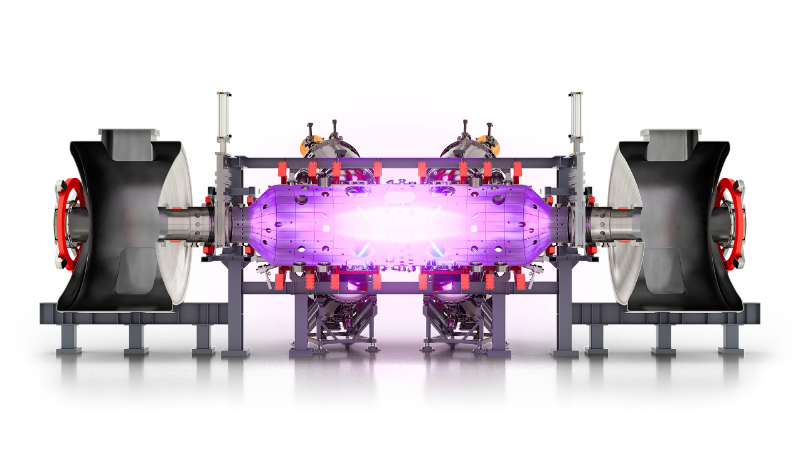
- TAE Technologies: linear configuration + neutral beam injection; long-term focus on aneutronic hydrogen-boron pathways.
- General Fusion: magnetized target fusion (MTF), blending magnetic confinement with mechanical compression.
- Commonwealth Fusion Systems: compact tokamak approach enabled by high-temperature superconducting (HTS/ReBCO) magnets.
For investors, this is less about “fusion yes/no” and more about which engineering stack scales first at acceptable cost and reliability.
Market signal: capital is accelerating before commercialization
Energy majors and strategic corporates are increasingly placing bets across platforms. This mirrors early cycles in semiconductors, EVs, and AI infrastructure: capital enters before certainty, and winners are separated by execution, not narrative.
Reality check
Commercial fusion is getting closer, but timelines remain aggressive:
- First meaningful grid-linked deployments: ~2028–2030 (select projects)
- Broad utility-scale rollout: likely longer-duration, potentially multi-decade
- Core risk factors: physics-to-engineering transition, regulatory pathways, and cost curve compression
Bottom line
Fusion is no longer just a scientific moonshot — it is becoming a public-market thematic at the intersection of energy security, industrial policy, and frontier engineering. The DJT-TAE merger may be remembered less as a headline and more as an early marker of fusion’s transition into mainstream capital markets.