Iran before the Revolution - 1970s Life under the Shah

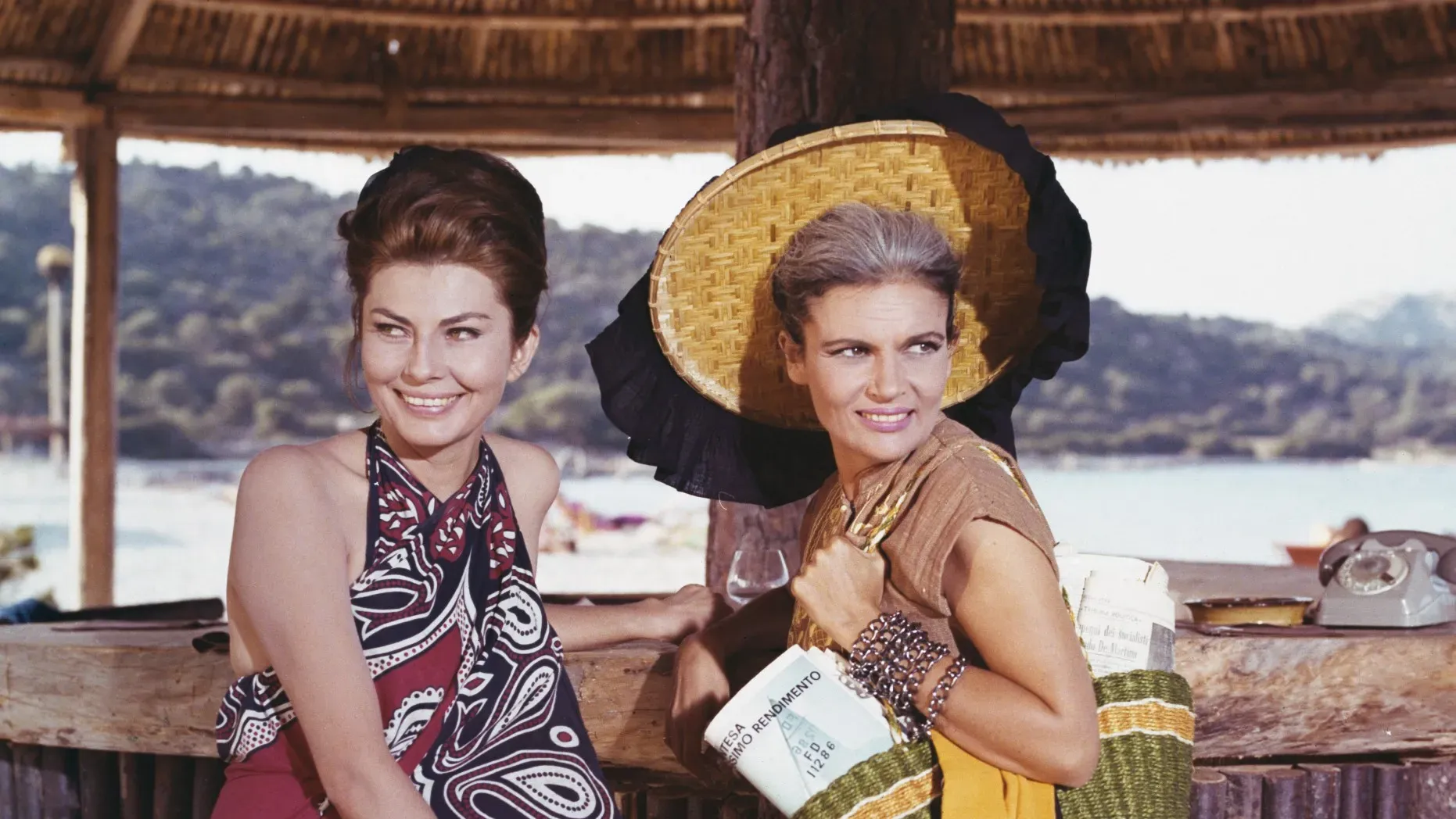
Before the revolution that would reshape the Middle East, Iran under Mohammad Reza Shah Pahlavi was a country of sharp contrasts — a Westernizing monarchy investing heavily in modernity while a restless population grew increasingly impatient with authoritarian rule and inequality.
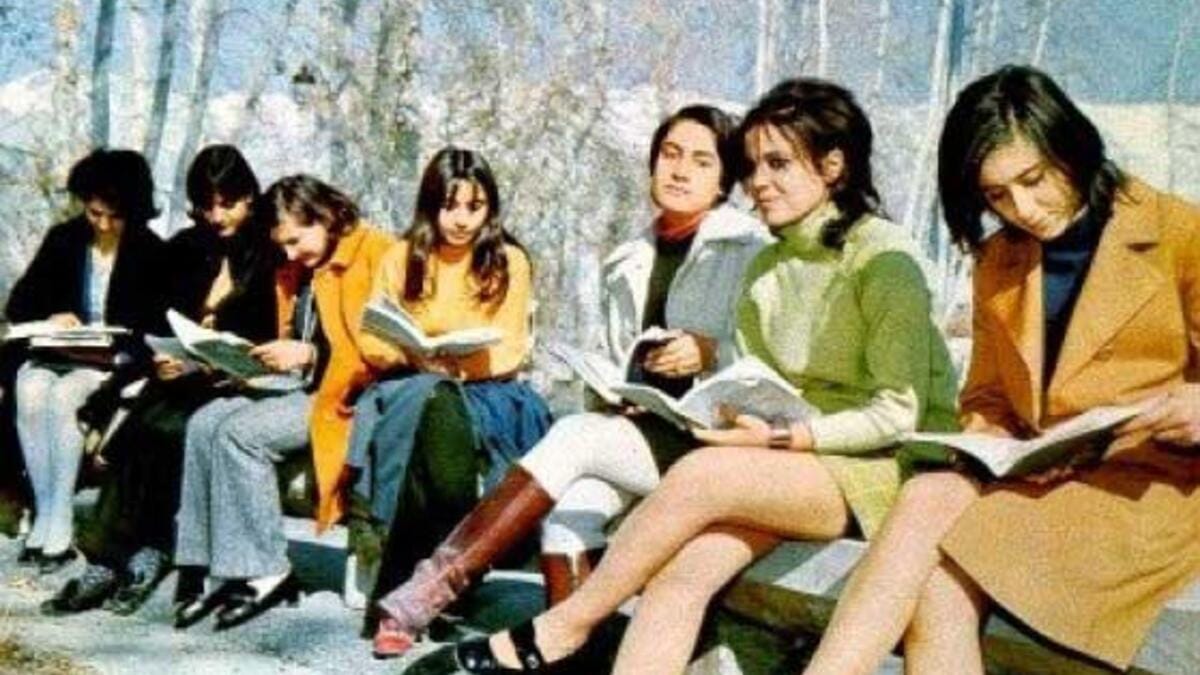
The 1970s were a decade of dizzying ambition. Iran's oil wealth funded grand projects: the White Revolution, a series of land reforms and industrialization programs that modernized agriculture and expanded literacy. Universities expanded. Highway construction connected cities that had barely changed for centuries. Tehran began to look, in its wealthier quarters, like a European capital — glass towers, modern malls, women in miniskirts walking alongside men in tailored suits.
Shah Mohammad Reza Pahlavi modeled his vision on Atatürk in Turkey and the European monarchies — secularism, modernization, Western alignment, and a strong centralized state. He cultivated an image of Iran as an ancient civilization reclaimed for progress. In 1971, he staged the extravagant Persepolis celebrations marking 2,500 years of Persian monarchy — a spectacle so ostentatious that it alienated many Iranians and became a symbol of the disconnect between the Shah's ambitions and his people's realities.
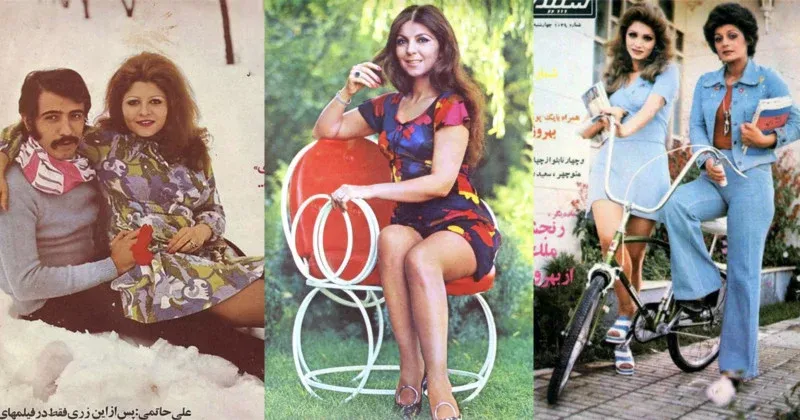
But beneath the gleaming facade, cracks were spreading.
The SAVAK, Iran's intelligence agency backed by the CIA and MI6, ran a pervasive internal security operation. Political dissidents, intellectuals, and religious leaders were monitored, detained, and sometimes tortured. The press was censored. The Pahlavi dynasty ruled with an iron fist dressed in a Savile Row suit.
Land reform, intended to break the power of old aristocratic elites, instead fragmented large estates and displaced rural populations — many migrated to Tehran's growing slums, fueling resentment rather than prosperity. The wealth flowing from oil was concentrated in elite circles and urban development, while inflation ate into the purchasing power of ordinary Iranians.
And then there was the Shah's unapologetic alignment with the United States. Washington saw Iran as a pillar of stability in the Gulf — a counterweight to Soviet influence and a reliable oil supplier. The relationship was close, personal, and deeply visible. The U.S. sold billions in military equipment to Iran. American advisors were everywhere. For many Iranians, the Shah's regime had become indistinguishable from an American puppet.
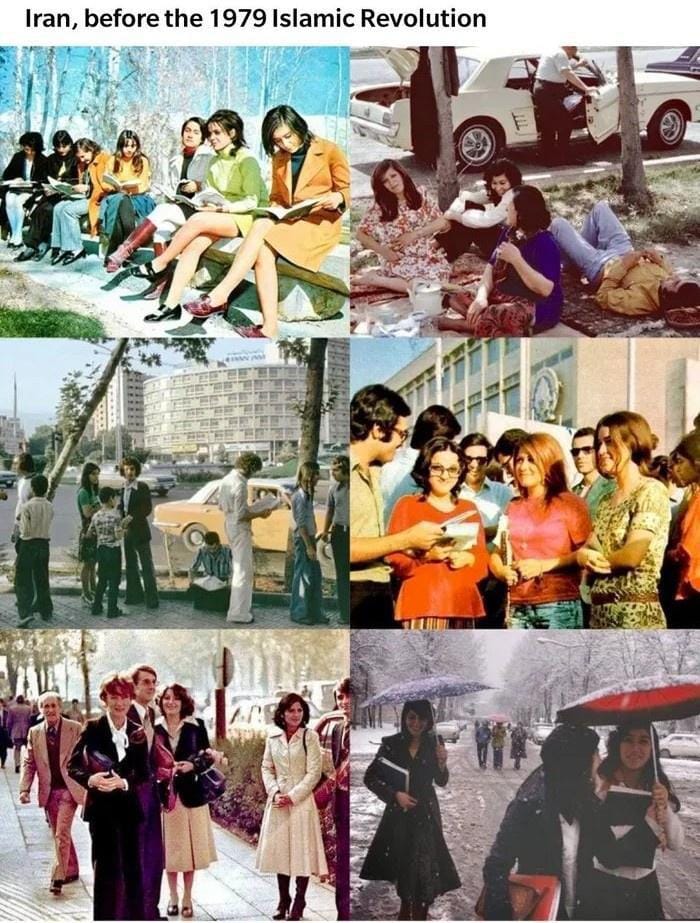
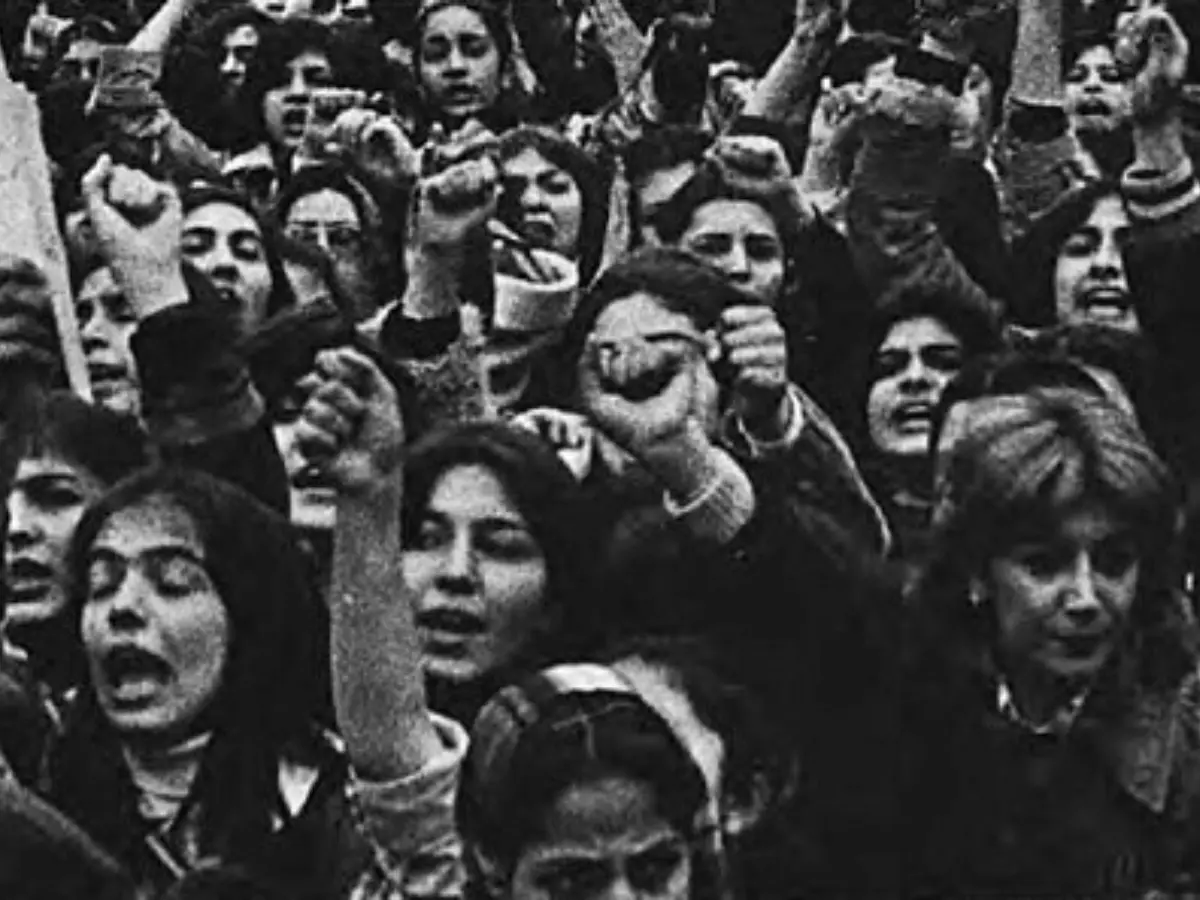
By the mid-1970s, opposition was coalescing from every direction — secular intellectuals, Marxists, nationalists, and most powerfully, the religious establishment led by Ayatollah Khomeini, who had been exiled but continued to direct a steady critique of the Shah's corruption, Westernization, and despotism from Paris.
The revolution, when it came in 1979, did not emerge from a single cause. It was the accumulated weight of political repression, economic dislocation, cultural alienation, and the presence of a resented foreign patron — all compressed into a moment when the Shah's authoritarian machinery finally broke down.
What Iran looked like in the 1970s is a question that matters more now than perhaps it ever has — a reminder that the political order we see today was built on a rupture that most people alive were not alive to witness, and that the forces which reshape nations rarely announce themselves in advance.